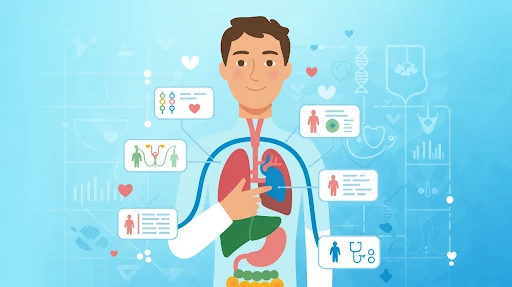
Healthcare explainer video marketing works best when it answers the question a patient is too stressed, embarrassed, or rushed to ask. What happens during this test? Do I need to prepare? Is this normal after treatment? How do I use this portal? What does this device actually do?
That is the real job. Not making healthcare content look fancy. Not turning a clinic into a commercial. Just making the next step easier to understand.
A good healthcare explainer gives patients something they can replay later, when they are calmer and not trying to remember every word from a short appointment.
Healthcare Explainer Video Marketing Should Start With Real Patient Worries
Healthcare content often starts with the provider.
The service. The equipment. The credentials. The treatment name.
Patients usually start somewhere else. They want to know what the experience will be like. They want to know what to do before they come. They want to know what happens next. They may desire simple confirmation that they are not overlooking anything apparent.
That is why healthcare explainer videos can be useful. They take one confusing moment and make it easier to follow.
A strong explainer video company should not treat healthcare like a normal sales category. The tone has to be steadier. The script needs fewer big claims. The visuals should support the patient, not overwhelm them.
Nobody Wants to Decode Medical Language
A patient may nod during a consultation and still leave confused.
That does not mean the doctor explained it badly. It often means the patient was nervous, tired, or trying to process too much at once. Medical instructions can feel simple to staff and still feel heavy to the person hearing them for the first time.
This is where patient education videos help.
A short video can walk through one topic slowly. One appointment. One prep step. One aftercare routine. One device. One portal action.
That is the most practical answer to how explainer videos educate patients. They give people a second chance to understand the information without pressure.
Animation Shows the Parts Cameras Cannot
Some healthcare topics just do not work well with live footage.
You can film a physician speaking. You can film someone checking in at reception. You can film a product being held. But you cannot easily film how medication moves through the body, what happens inside a joint, or how a device works beneath the surface.
That is where medical animation videos make the explanation cleaner.
Animation can remove visual clutter. It can zoom in. It can slow the process down. It can label what matters and leave out what does not.
For anatomy, implants, internal movement, diagnostics, and treatment processes, a 3D explainer video company can make a difficult subject easier to picture. The point is not to impress patients with detail. The point is to show only the details they actually need.
Some Healthcare Topics Need a Softer Look
Not every medical video needs 3D anatomy.
A video about therapy intake, appointment booking, insurance steps, telehealth setup, or discharge instructions may work better with simple 2D visuals. A 2D explainer video company can use calm characters, icons, and clean scenes to make the topic feel less clinical.
That matters.
A patient watching a video about mental health support does not need harsh visuals. A parent learning how to prepare a child for a visit does not need technical diagrams. They need clarity and a tone that feels safe.
This is where healthcare animation works well. It can make serious information easier to approach without making it feel childish.
Good Healthcare Video Marketing Reduces Repeat Confusion
A lot of confusion happens outside the exam room.
Before the visit, people forget how to prepare. After the visit, they forget what they were told. At home, they may not remember which symptom is normal and which one needs a call.
Good healthcare video marketing can support those moments.
A clinic can send a prep video before an imaging appointment. A hospital can use a short discharge video for common aftercare steps. A specialist can explain what happens during a first consultation. A telehealth provider can show patients how to upload documents or join a call.
These videos do not need to be big productions. They need to answer the question at the right time.
That is better healthcare communication. No more information. Better-timed information.
Medical Device Videos Need to Speak to People, Not Just Specs
Medical device explainer videos can become too technical very quickly.
That is usually because the company wants to show every feature. Patients and providers may not need that at first. They need to understand the problem, the use, and the value.
A strong medical explainer video should start with the human problem. What is difficult right now? What does the device make easier, safer, clearer, or more manageable?
Then show the device in use.
For patients, the focus may be comfort, safety, or confidence. For providers, it may be workflow, accuracy, setup, or training. Those are different needs. Trying to fit all of them into one video often makes the message weaker.
Sometimes the smartest move is to make separate versions.
Healthcare SaaS Needs Different Videos for Different Users
Healthtech platforms are not always as obvious as product teams think they are.
A patient portal may seem simple internally. The patient still may not know where to log in, how to book, how to upload documents, or where results appear. A remote monitoring platform may help nurses, doctors, admin teams, and patients in completely different ways.
A SaaS explainer video company can help split those messages.
One video for patients.
One for providers.
One for admin teams.
One for onboarding.
That is much cleaner than forcing everyone into the same long demo.
This is also why healthcare explainer videos for hospitals and clinics can do more than market a service. They can make systems easier to use.
Patient Engagement Starts With Understanding

People talk about patient engagement as if it is only about apps, reminders, or portals.
It starts earlier than that.
A patient who understands the next step is more likely to follow it. A patient who can replay instructions is less likely to rely on memory. A family member who watches the same video can help support care at home.
Short videos usually work best here.
One video for preparation.
One video for the visit.
One video for aftercare.
That is easier to use than one long video trying to explain everything.
Complex Procedures Need a Careful Script
Medical explainer videos for complex procedures should never feel rushed.
The script has to be plain, but still accurate. The visuals should explain, not scare. The final video should be reviewed by qualified medical professionals before it goes live.
A safe structure is usually:
- What the procedure is
- Why it may be recommended
- How to prepare
- What usually happens
- What recovery may involve
- When to contact the care team
That gives patients a clear path. It does not pretend that one video can answer every personal medical question.
Healthcare videos should educate. They should not diagnose.
What Makes a Healthcare Explainer Work?
The benefits of explainer videos in healthcare marketing show up when the video focuses on one real patient question.
Not the entire service line.
Not the full clinic story.
Not every possible benefit.
One topic. One answer. One clear next step.
The wording should sound human. The tone should stay calm. The visuals should make the message easier to follow. And the video should avoid fear, pressure, and exaggerated claims.
Patients do not need a performance. They need help understanding what comes next.
Hospitals and Clinics Should Keep the Video Useful
Hospital marketing videos do not need to feel dramatic.
A simple doctor introduction can work. A short animated guide to a screening can work. A calm check-in walkthrough can work. A discharge video that patients can replay at home can work.
Healthcare already carries enough stress. The video should not add more.
Help first. Promote second.
Frequently Asked Questions
Final Words
Healthcare explainer video marketing is effective when it makes healthcare appear less complex. Patients may be nervous, preoccupied, weary, or attempting to aid someone they care about. A decent video offers people a better idea of what comes next.
It helps doctors, clinics, hospitals, medical device manufacturers, and healthtech teams by transforming complex information into something that people can utilize. The most effective healthcare explainers aren’t glamorous. They are calm, factual, practical, and based on the patient’s actual questions.
